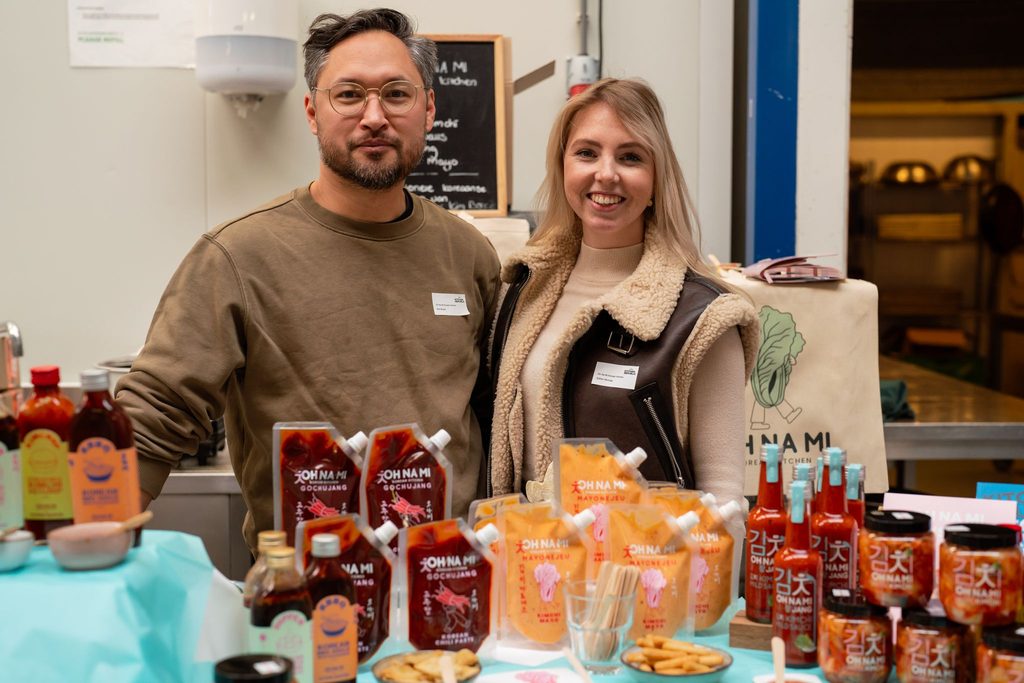
What started with a Dutch ‘broodje bal’ grew into a mission to bring more Korean flavours to the Netherlands. More than ten years later, Oh Na Mi founder Alexander Kim Boyce is still building, experimenting and looking for the next opportunity. Along the way, Kitchen Republic has been a constant: first as a professional kitchen, and later as a community, support system and gateway to new business opportunities.
It all started with a ‘broodje bal’
When Alexander started Oh Na Mi around 2014, he saw a large sign advertising a ‘broodje bal’. To him, that simple sandwich defined quick Dutch food at the time, and it immediately got him thinking: this needs something. Something spicy. Something Korean.
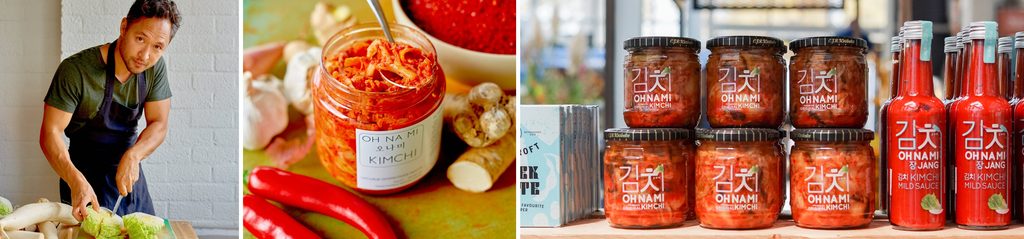
Kimchi was the obvious place to start, and as he puts it: “It’s basically like hot sauce. It goes with everything.” Add it to a Dutch tosti and a very everyday food gets a completely different character. It is the same idea that sparked Oh Na Mi: take something familiar and see what happens when you add a Korean flavour. His belief hasn’t changed since: “There are a lot of Korean flavors that the Netherlands and Europe need to experience.”
From kimchi waste to a new product
That curiosity also shaped how Oh Na Mi’s product range developed. While producing kimchi, Alexander noticed there were always offcuts and leftover juices. Instead of simply seeing them as waste, he saw a problem to solve, and potentially another product. The first result was a kimchi sauce made largely from those leftover parts of the production process. That idea eventually developed into more products, including kimchi mayonnaise and different kimchi sauces.
It is a good example of how Alexander tends to think as an entrepreneur: spot a problem first, then start wondering whether there is a business opportunity hiding inside it.
Not long after starting Oh Na Mi, Alexander joined Kitchen Republic in late 2014, around the same time Kitchen Republic itself was getting started. In those early years, the kitchen was an important part of building his business. But what he remembers just as clearly is having somewhere to go for advice. Whenever he needed support, the team was there.
Growing is one thing. Managing growth is another.
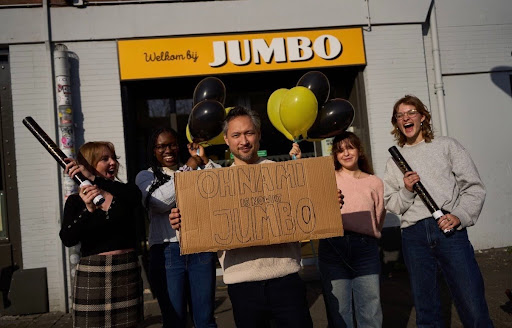
Getting your product into a major retailer is one of those milestones almost every food entrepreneur dreams about. For Oh Na Mi, getting into Jumbo was exactly that kind of moment. But Alexander learned that success creates a new set of problems almost immediately. Production needs to increase. Marketing needs to change. More stock is needed. More money is involved.
“Celebrations are always short-lived.”
Growing a food company often requires capital before the additional revenue arrives. Without enough financing, Alexander explains, you can end up working incredibly hard just to keep everything running. Success, in other words, also needs to be managed.
Learning when to say no
Growth brought Alexander another lesson: not every opportunity is the right opportunity. He admits that saying no has never come naturally to him. As an entrepreneur, it is tempting to want to win every customer, be listed everywhere and accept every chance that comes your way. Over time, he has learned that this can actually damage a company.
Not every retailer, partnership or opportunity is the right fit. And sometimes being delisted or walking away from something can be better for the long-term health of the business.
More than a place to produce
As Oh Na Mi grew, Alexander eventually outsourced his production. He no longer needed the Kitchen Republic kitchen in the same way he had at the beginning. He could have left. Instead, he stayed.
Because by then, the biggest value of Kitchen Republic was no longer just the physical space. It was everything around it. “The main thing with the community is the exposure and the business opportunities that arise from the community.”
One example is Kitchen Republic’s Meet the Buyer opportunities, which give entrepreneurs the chance to pitch their products directly to buyers they might otherwise struggle to reach. For Oh Na Mi, those sessions led directly to partnerships with Jumbo, VHC Jongens, Bidfood and more.
But Alexander also points to something less tangible: being surrounded by entrepreneurs experiencing exactly the same struggles. Building a food company means dealing with production issues, retailers, finances, growth, rejection and countless decisions. Having other founders around who understand those challenges creates both comfort and support. Sometimes, knowing you are not the only one figuring it out is valuable in itself.
More than ten years later, he is still part of that community.
Perhaps that is what makes Kitchen Republic more than just a shared kitchen. A kitchen can give an entrepreneur a place to make a product. A community can help them figure out what to do with it next.